Web Development Solutions: An Introduction to the Basics, Types, and Essentials
Web development is the work behind every website and web application you use, the process of building something functional and attractive that people can reach over the internet. It ties together a handful of core technologies that form the base of any site, and the solutions it produces range from simple static pages to complex interactive applications. This introduction walks through the fundamentals, the main types of development, the skills involved, and the process from idea to launch.
What Is Website Development?
At its core, web development is the process of creating a website or web application and making it accessible online. It involves several tasks and disciplines that together produce sites which are both usable and good-looking. A few key technologies sit at the center of it all, and once you understand how they fit together, the rest of the field starts to make sense.
Basics of Web Development
To understand the basics, start with the three primary technologies that everything else builds on:
- HTML (HyperText Markup Language) is the backbone of any website. It structures content across the web using a system of tags and elements.
- CSS (Cascading Style Sheets) styles a site visually. It controls layout, colors, fonts, and overall appearance, turning plain HTML into something pleasant to look at.
- JavaScript brings interactivity and movement to websites. It lets developers create responsive elements like forms, animations, and interactive features that improve the user experience.
These foundational pieces are essential for anyone getting into the field. Once you learn HTML, CSS, and JavaScript, you can start building web projects of your own and experiment with more advanced approaches from there.
Types of Web Development
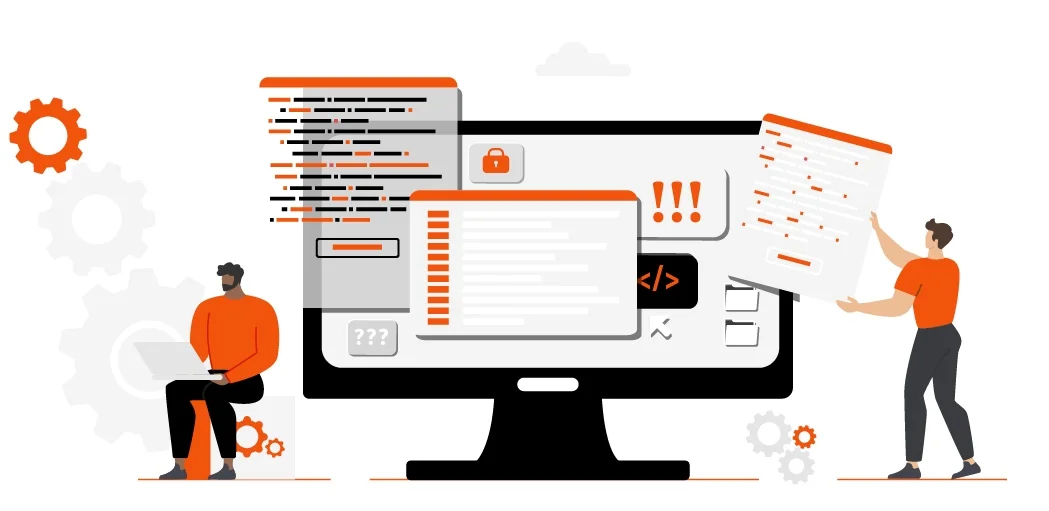
Web development is a many-sided field made up of different specializations, all of which bring the dynamic pages and applications we use to life. It generally breaks into three tiers: front-end, back-end, and full-stack development. Each plays a distinct role and demands its own skills, and understanding the differences helps you know what kind of help your project actually needs.
Front-end Development
Front-end development is the part of a website users see and interact with. It combines HTML for structure, CSS for styling, and JavaScript for interactivity. The front-end developer makes sure the interface is attractive and user-friendly and that it works smoothly on a phone or a desktop alike. Their job is to ensure the visible parts of the site are both functional and pleasant: loading quickly, working across browsers, and adapting to any screen. Done well, this is what makes a site feel effortless to use rather than merely look good in a screenshot.
Back-end Development
Back-end development is the powerhouse of any website, keeping everything running efficiently behind the scenes. It covers server-side technologies and databases that handle logic, data, user authentication, and all the functionality users never directly see. Key aspects include:
- Server management: setting up and maintaining servers for reliable performance and security.
- Database integration: building and managing databases so data is stored and retrieved efficiently.
- API development: creating APIs that let different parts of the site communicate cleanly.
- User authentication: implementing secure login systems to protect user data.
Strong back-end work is what lets a site stay fast, secure, and stable even under heavy traffic. Pairing it well with the front-end is what makes a platform genuinely reliable rather than just presentable.
Full-stack Development
Full-stack development combines front-end and back-end work, so a single developer can build a complete web application. These developers handle everything from the user interface to server and database management, which makes them versatile and valuable. A full-stack developer can deliver a cohesive, high-performance site where the visible design and the underlying logic are built to work together. This holistic view helps ensure all the components fit, producing an efficient experience from the first click to the final database query.
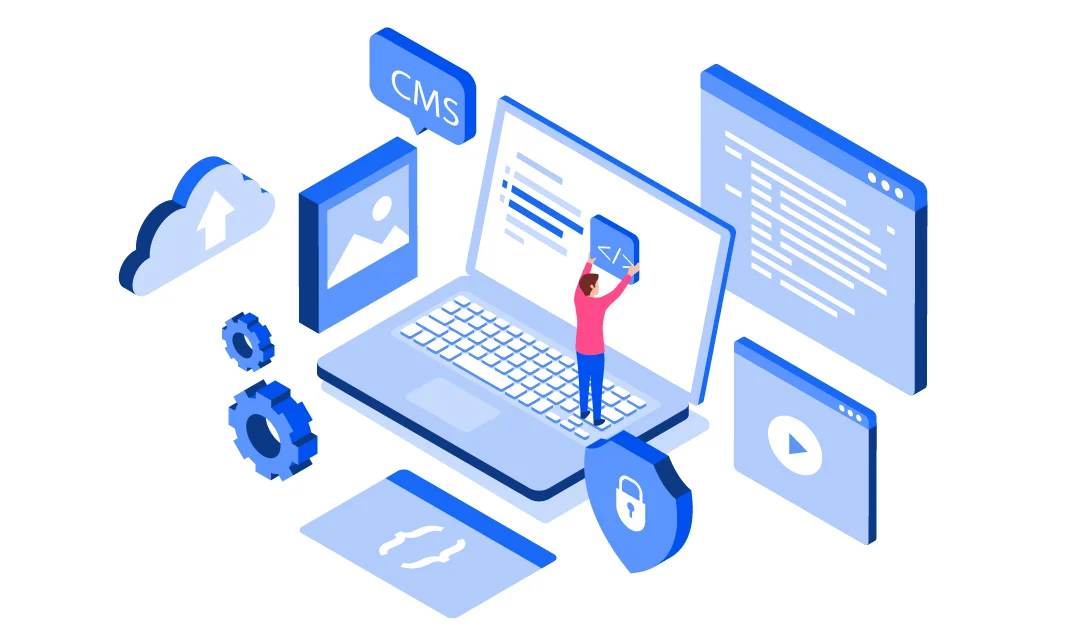
What Skills Do You Need to Be a Web Developer?
Starting a career in web development means building a set of core skills that form the backbone of the work. For beginners, the essentials are:
- HTML/CSS: knowing how to structure and style web content.
- JavaScript: adding interactivity to websites, which is non-negotiable for any developer.
- Version control with Git: tracking changes and collaborating with other developers.
- Responsive design: making sites work well on every device.
- Problem-solving: strong analytical skills for debugging and working through coding issues.
These core skills are exactly what most employers look for when hiring a junior developer, and they form a solid base to keep improving from.
The Website Development Process
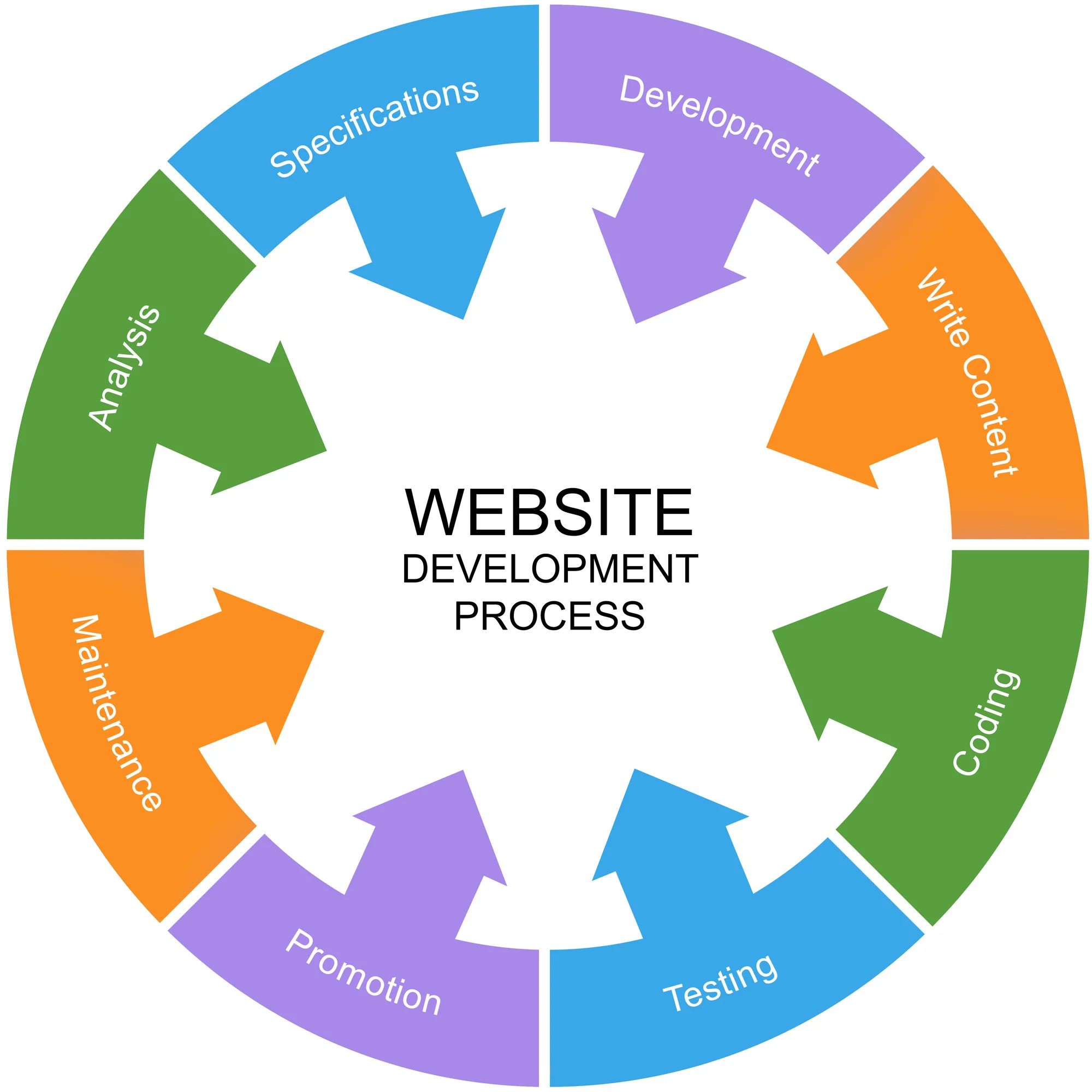
The development process is the structured path to building a website from scratch, where each stage is planned and executed with care. The main steps are:
- Initial planning: understanding the project goals, target audience, and requirements, then creating a detailed plan and sitemap.
- Design: using design tools to create wireframes and mockups that map out the layout and interface before any code is written.
- Development: where the real coding happens, with front-end and back-end developers working together to build both functionality and appearance.
- Testing: a crucial phase that confirms the site works correctly across devices and browsers while identifying and fixing bugs.
- Launch: the final stage, where the site goes live on a server, followed by ongoing maintenance and updates.
Following a structured process keeps quality high and the work efficient, and it is what makes the difference between a project that drifts and one that ships well. A disciplined approach like this is what produces successful, sustainable websites.
Why Web Development Solutions Matter for Your Business
It is easy to treat a website as a one-time technical task, but the right web development solutions are a long-term business asset. A well-built site loads quickly, works on every device, ranks in search, and guides visitors toward whatever action matters most, whether that is signing up, buying, or getting in touch. A poorly built one quietly costs you customers through slow pages, broken layouts, and confusing flows that send people to a competitor instead.
The technologies and process described above are not just academic. They are the difference between a site that becomes the foundation of your growth and one that needs rebuilding within a year. Investing in solid front-end, back-end, and full-stack work, following a structured process, and choosing people who understand both the code and your goals is what turns a website from a line item into a genuine driver of results. The cheapest option rarely stays cheap once you account for the conversions and credibility a weak build quietly loses.
Final Thoughts on Website Development
Web development has become essential to building an effective digital presence. Advances in web technologies have changed how sites are built and maintained, opening up real room for creativity and better products. Whether you focus on front-end aesthetics, back-end functionality, or full-stack work, understanding the whole process gives you the skills to create strong, dynamic websites and to adapt as technology keeps moving. Continuous learning is what keeps you competitive, since the field is always in flux and staying current with new tools matters. With well-built web development solutions, you can create digital experiences that genuinely meet users' needs. For expert guidance and development services, visit us at Integritas.agency.