How to Choose a SaaS Design Company Without Losing Your Sanity
Choosing a SaaS design company should be exciting. Too often it is a slow-motion mistake, picked from the prettiest Behance portfolio, regretted six months later when the gorgeous interface turns out to confuse every user who touches it. Good SaaS design is not about looking impressive in a case study, it is about working for real people trying to get things done. Here is how to choose a design partner who delivers the second thing, not just the first.
The Importance of Good Startup Design (and Not Just Good Looks)
Before you throw your budget at the first stunning portfolio you find, it is worth being clear about what SaaS design is actually supposed to do. It is not decoration. It is the difference between a product people adopt and one they abandon after the trial, and that difference rarely comes down to how pretty the screens look in isolation.
It's Not Just UI, It's Psychology
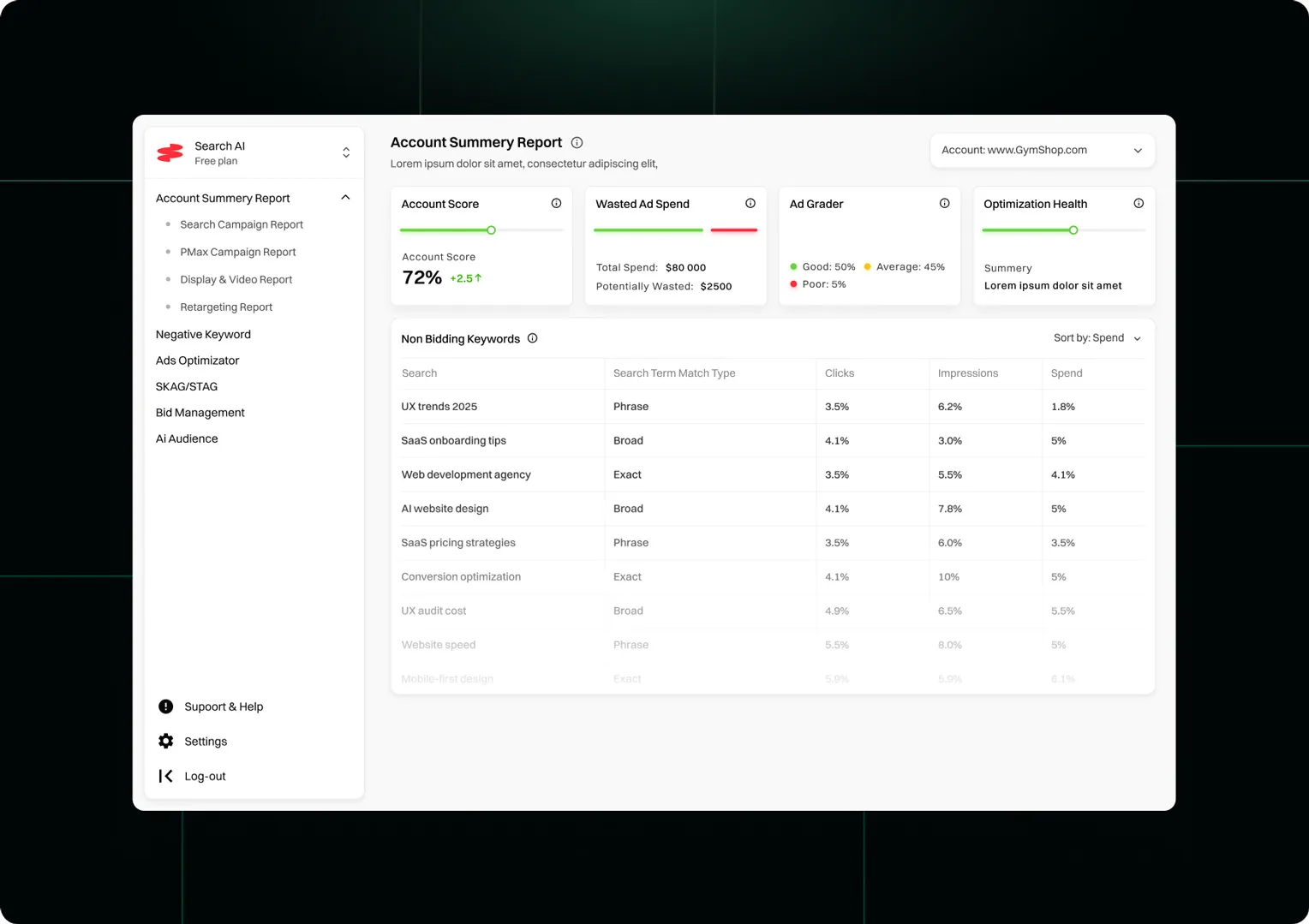
UX is not just buttons and menus. It is about reducing cognitive load, the amount of mental effort it takes to use your product. If your app feels like solving a Rubik's Cube blindfolded, no amount of beautiful styling will save it. Great SaaS design quietly removes friction so the user barely thinks about the interface at all, which is precisely the point. A design company that understands this is designing for the brain, not just the eye.
Red Flags: How to Spot Disasters in the Making
1. Their Portfolio Is All Style, No Substance
If every project in a firm's portfolio looks like a space-age dashboard for a crypto exchange but never explains what the app does or what problem it solved, be wary. Beautiful screens with no story behind them are mood boards, not case studies. A serious SaaS design company can tell you the problem, the approach, and the result, not just show you a pretty picture.
2. They Don't Talk About UX
If a design company only ever talks about visuals, colors, fonts, trends, and never about user experience, user flows, or how people actually move through the product, that is a warning. Visuals are the surface. UX is the structure underneath, and a partner who ignores it is decorating a house with no foundation.
3. No Real Research
Design without research is guessing in nicer fonts. If a firm jumps straight to drawing screens without asking about your users, their goals, or their pain points, they are designing for assumptions. The best SaaS design starts with understanding the people who will use it, not with opening a design tool.
What to Look For in a SaaS Design Partner
A Process That's More Than Just Vibes
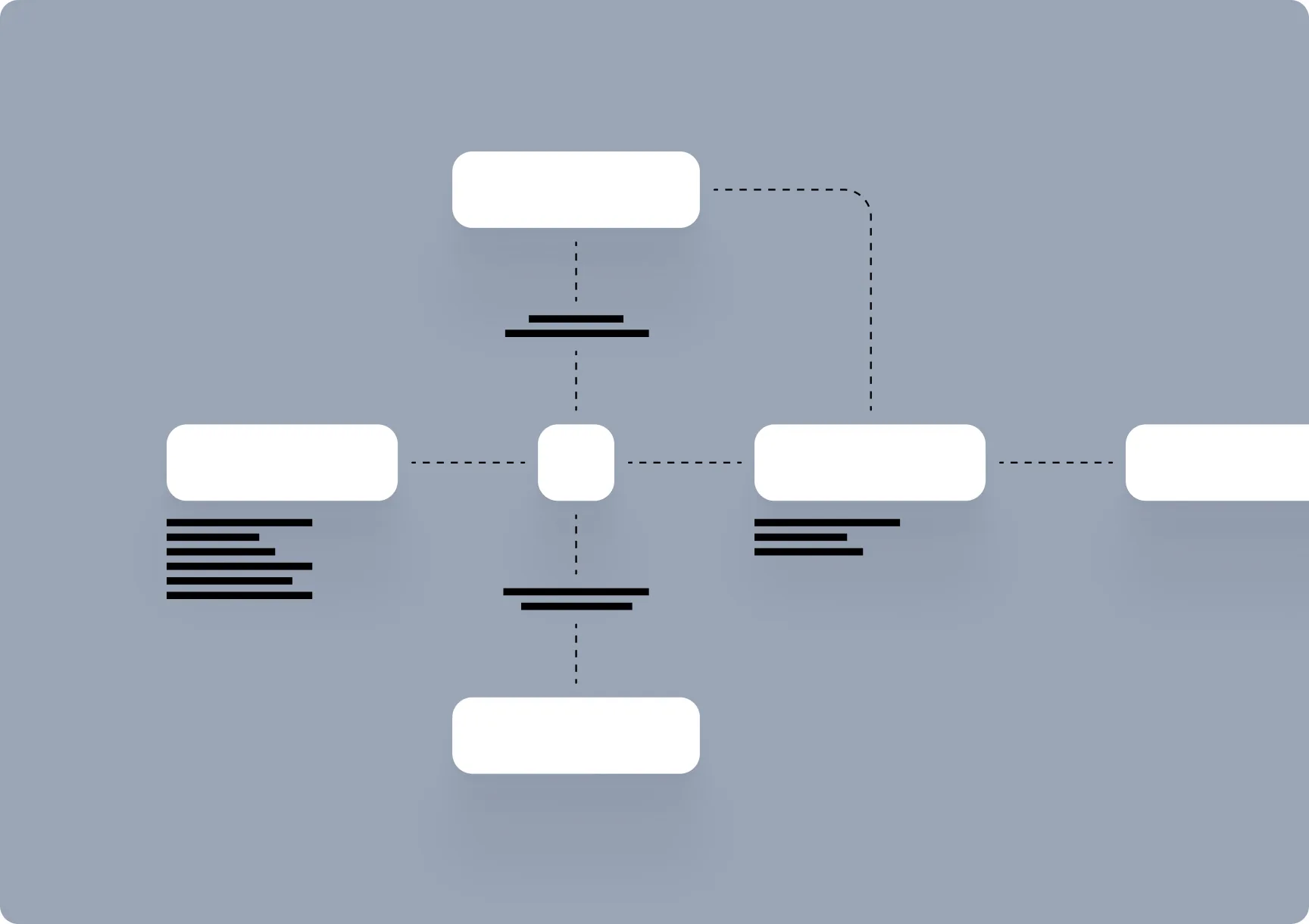
A real SaaS design company has a process you can follow: discovery, research, structure, design, testing, iteration. They can explain how they get from your problem to a solution, and that explanation should make sense rather than dissolve into buzzwords. A clear process is the difference between reliable results and rolling the dice on inspiration.
SaaS Experience, Not Just Pretty Websites
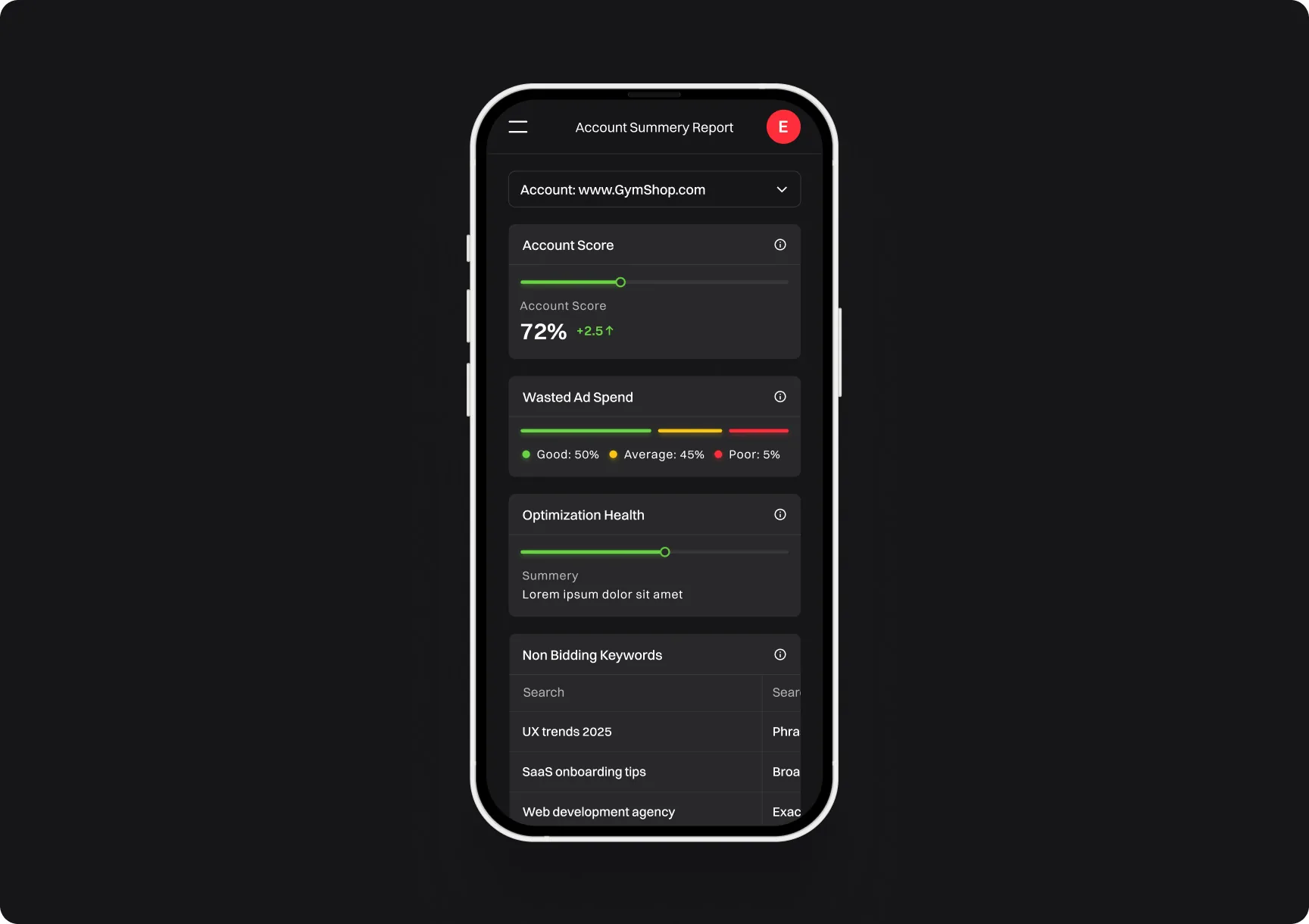
Designing a SaaS product is genuinely different from designing a marketing site. SaaS involves dashboards, complex flows, data-heavy screens, onboarding, and states that a brochure site never deals with. A partner who has only built pretty landing pages may struggle with the real complexity of a product. Look for specific SaaS experience, the kind our SaaS-focused work is built around.
They Understand SaaS Metrics
The best SaaS design partners think in outcomes, not just aesthetics. They understand that design affects trial-to-paid conversion, activation, retention, and churn, and they design with those metrics in mind. A company that connects design decisions to business results is a partner, not just a vendor, and that mindset is what separates expensive decoration from design that pays for itself.
Questions to Ask Before Signing Anything
1. Can You Walk Me Through Your UX Research Process?
Their answer reveals whether research is real or theater. A strong partner describes how they learn about your users before designing. A weak one waves vaguely and changes the subject. This single question filters out a surprising number of style-only firms.
2. Do You Have Case Studies?
Ask for real case studies with context and results, not just screenshots. A confident SaaS design company will happily walk you through a project: the problem, what they did, and what changed. Vague answers or portfolio-only responses are a quiet warning.
3. What Tools Do You Use for Prototyping and Testing?
This reveals how they actually work. Partners who prototype and test with real users before building are serious about getting it right. Those who skip straight to final designs are betting your budget on first guesses being correct, which they rarely are.
Where to Find a SaaS Design Agency That Gets It
Beyond Behance and Dribbble, which showcase visuals without context, look at platforms with reviews and verified results like Clutch, and at agencies that specifically position themselves around SaaS and product design rather than general web work. Referrals from other founders are gold, since they come with honest backstories the portfolio never shows. The goal is to find a partner with a track record in your exact kind of product, not just a beautiful gallery.
Why the Cheapest Option Usually Costs the Most
Design is one of the areas where founders are most tempted to economize, and most likely to regret it. A cheap design firm or a generalist freelancer can produce screens that look fine in isolation, but SaaS design is not about isolated screens. It is about flows, states, edge cases, and the hundred small decisions that determine whether a user succeeds or gives up. Skimp on that expertise and you get a product that looks acceptable and converts terribly.
The expensive part is not the good design, it is the bad design you have to redo. A poorly designed SaaS interface quietly leaks trial signups, frustrates users into churning, and eventually forces a redesign anyway, at which point you pay twice. Investing in a capable SaaS design company up front is not the costly choice, it is the one that avoids the far larger cost of fixing a product users never warmed to.
Trust Your Gut, but Verify With Process
After all the portfolios and proposals, you will still feel some uncertainty, and that is normal. The trick is to combine instinct with evidence. Your gut tells you whether you enjoy talking to them, whether they actually listen, and whether they ask thoughtful questions instead of nodding at everything. Those signals matter, because you will be working closely together and a partner who challenges your assumptions is worth more than one who simply agrees.
But back the instinct with verification. Real case studies, a process they can explain clearly, genuine SaaS experience, and references from past clients turn a hopeful feeling into a confident decision. The best choice usually feels right and checks out on paper. When the two align, you have found a partner. When your gut says yes but the evidence is thin, slow down, because charm is not the same as competence.
In Summary: Save Your Sanity and Pick Wisely
Choosing a SaaS design company comes down to looking past the surface. Beautiful screens are table stakes, not proof of quality. What actually matters is a real process, genuine UX thinking, specific SaaS experience, an understanding of the metrics design influences, and a willingness to research before designing. Ask the hard questions, demand real case studies, and favor substance over style. Do that, and you end up with a partner who builds a product people love to use, not just one that looks good in a portfolio you regret choosing from.