SaaS UI Design in 2026: Trends Worth Stealing (and One to Ignore)
Every January, the internet floods with design trend lists written by people who have never shipped a product or answered a support ticket. This is not one of those. These are the SaaS UI design trends actually showing up in the products founders use every day, why they work, and where they quietly fall apart. Steal the good ones. Skip the ones that exist purely to look good in a portfolio.
Minimalism 2.0: Even Fewer Things to Click
Crowded dashboards are out. SaaS UI design in 2026 is going aggressively minimal, and not because designers are lazy. The fewer things a user can click, the fewer mistakes they make, and the fewer "how do I do X" tickets land in your inbox at midnight.
What Minimalism 2.0 Actually Means
It is not just acres of white space and a logo floating in the void. That is not minimalism, that is an empty room. Minimalism 2.0 is radical clarity:
- Only the essential features sit up front, everything else earns its place behind a click
- Space and typography do the heavy lifting instead of borders and boxes
- Micro-interactions, the tiny bits of motion when you hover or toggle something, replace clunky popups that nobody asked for
The test is simple. If your user is hunting for a button, you did not build a minimalist interface. You built a scavenger hunt.
Dark Mode Is No Longer Optional
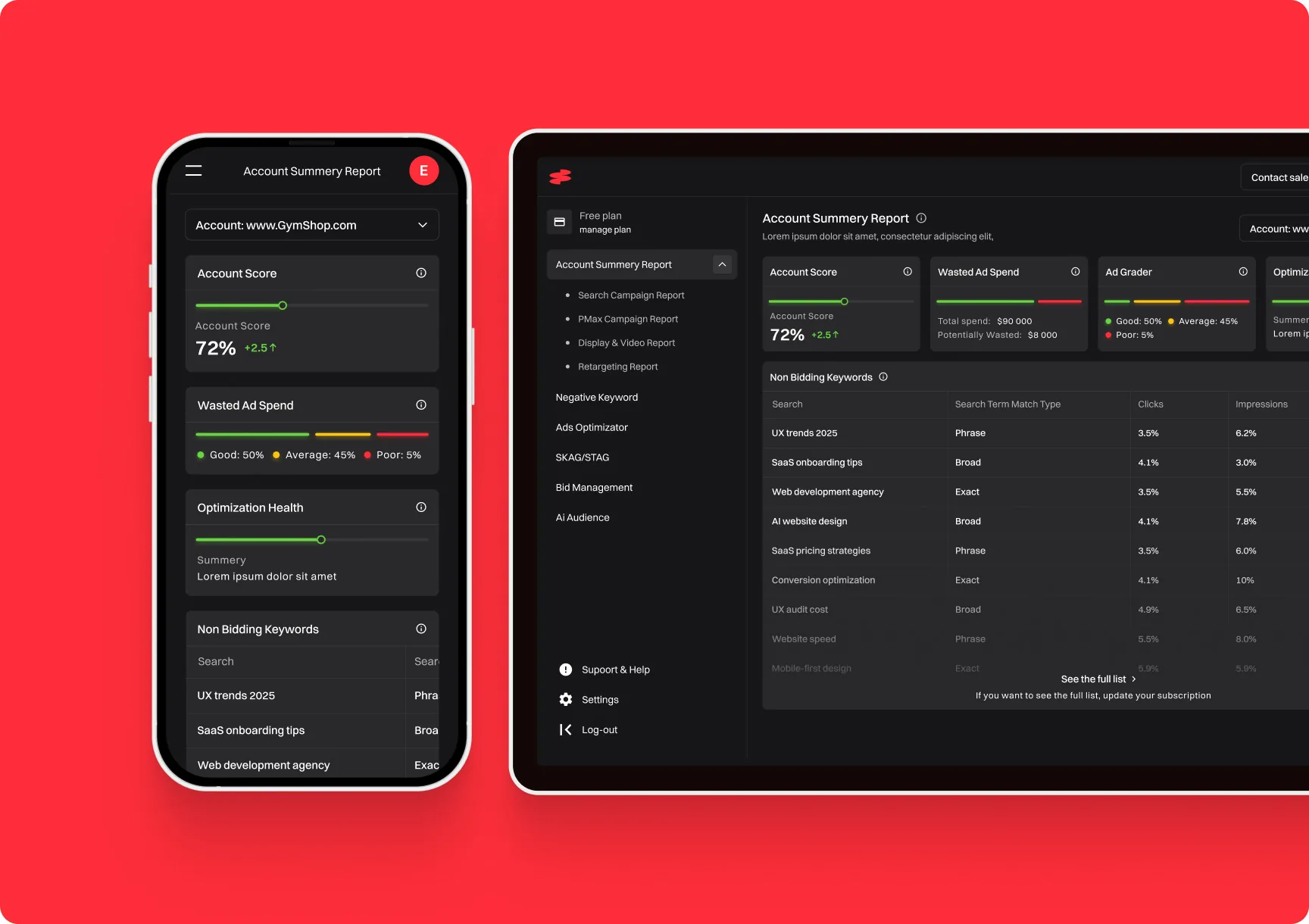
It is 2026, and a SaaS dashboard without dark mode now reads as slightly unfinished, like a kitchen with no fridge. Your users may not love it out loud, but their retinas absolutely do.
Why Dark Mode Earns Its Keep
- It reduces eye strain, which matters when your power users are night-owl founders staring at their MRR (Monthly Recurring Revenue) refusing to budge at 2am
- It saves battery on mobile, which users notice even if they never thank you for it
- It makes the product look instantly more expensive, and looking expensive is, let us be honest, half the job
How to Do It Without Wrecking Everything
Dark mode is not "invert the colors and ship it." That road leads to grey text on a slightly less grey background that nobody can read.
- Give users a clear toggle, do not force it based on their system at 6pm and call it a feature
- Test your contrast ratios properly, because not every SaaS tool needs to look like a hacker terminal from a bad movie
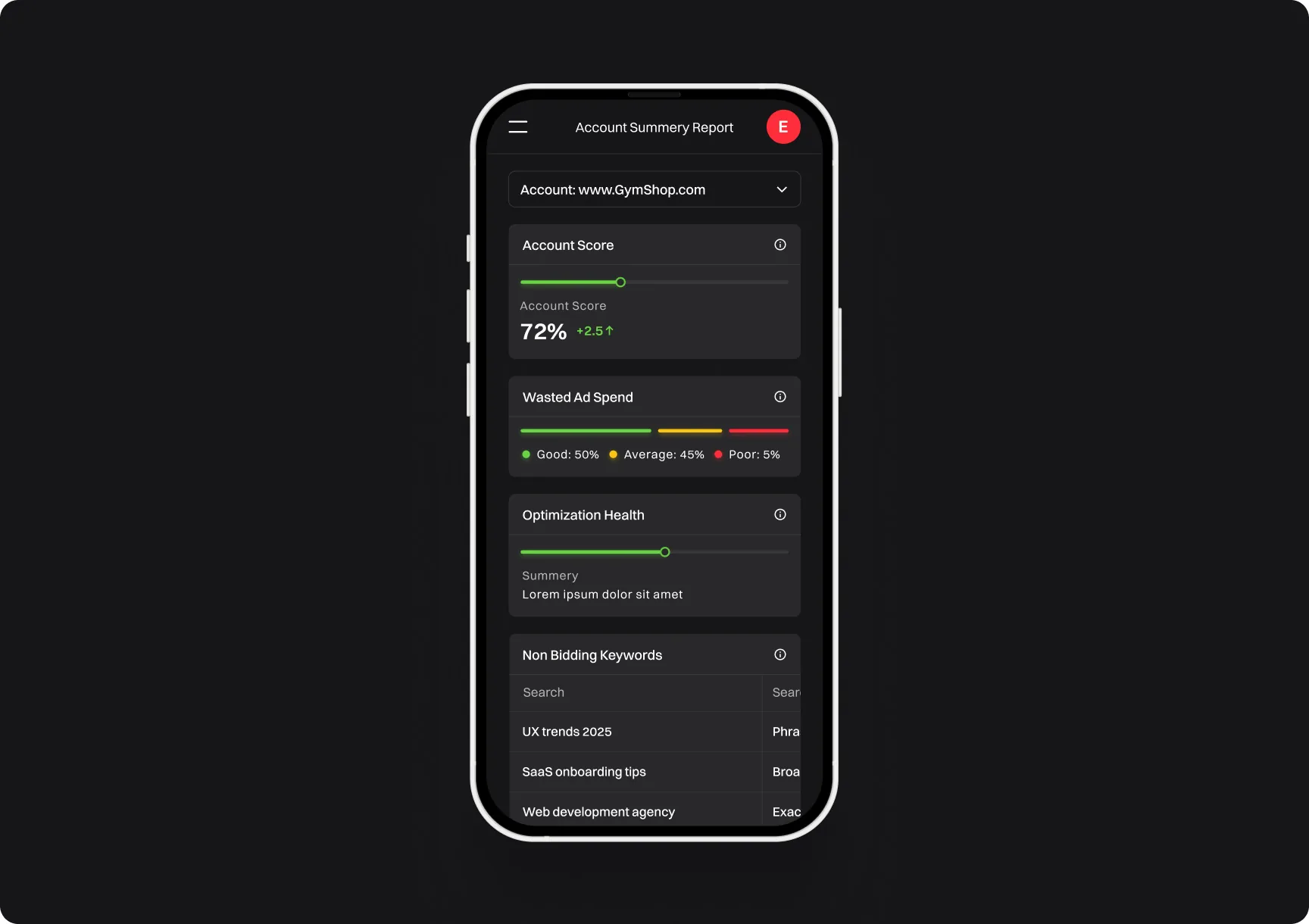
Data Visualization: Pretty Charts Quietly Sell the Product
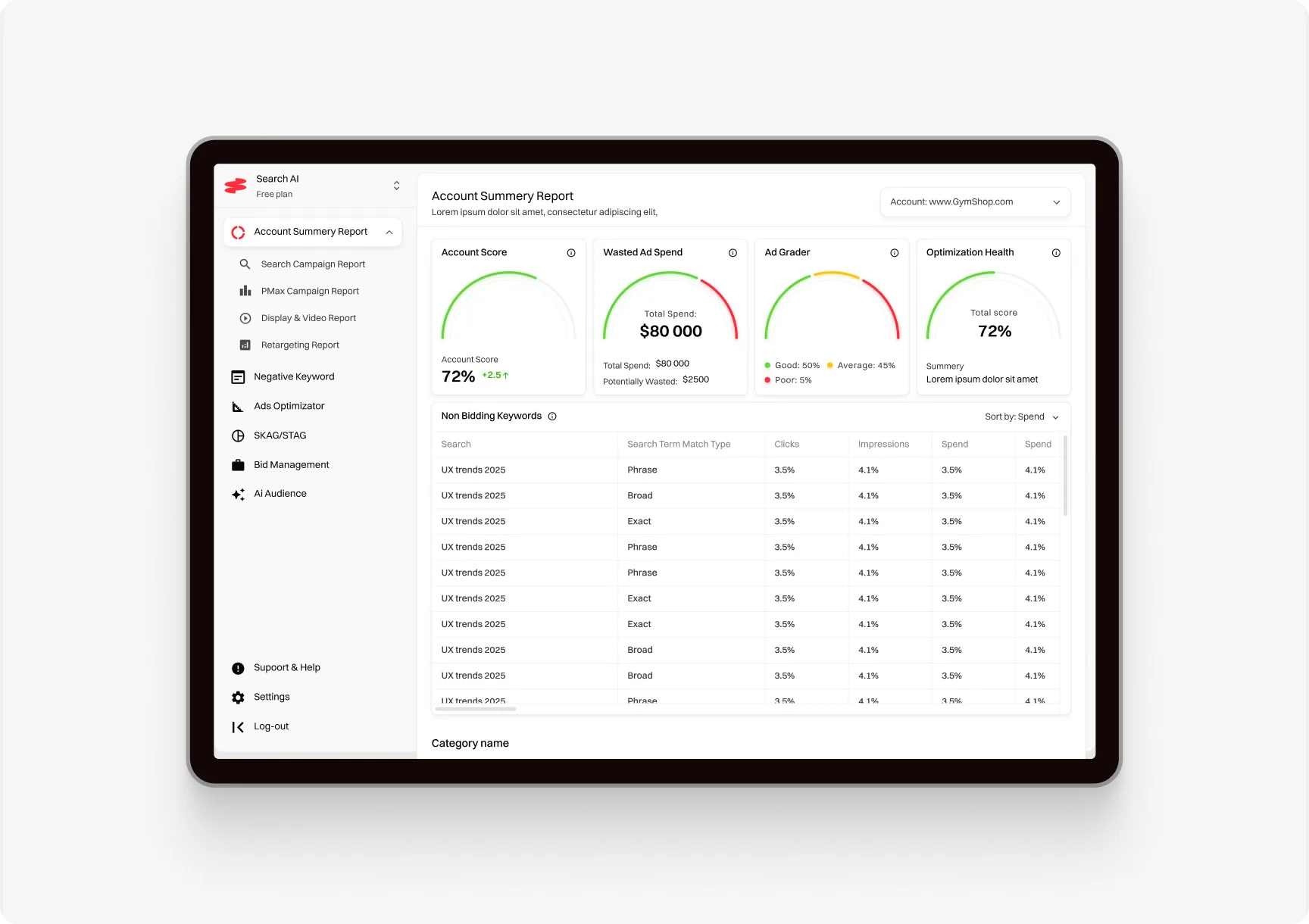
Most SaaS products exist to help people make sense of data. If users cannot see their data clearly, they will never feel the value they are paying for, and churn is just a slow goodbye.
What Good Data Viz Looks Like in 2026
- Interactive graphs you can drag, zoom, and click, instead of static images that may as well be screenshots
- Customizable dashboards, because your accountant and your marketer do not want to stare at the same numbers
- Color-coded KPIs that deliver a small, honest hit of dopamine when something goes up and to the right
The flip side is brutal. An ugly, confusing chart does not just look bad. It makes users quietly question whether the rest of your platform can be trusted with their money. Bad charts erode confidence faster than a downtime notice.
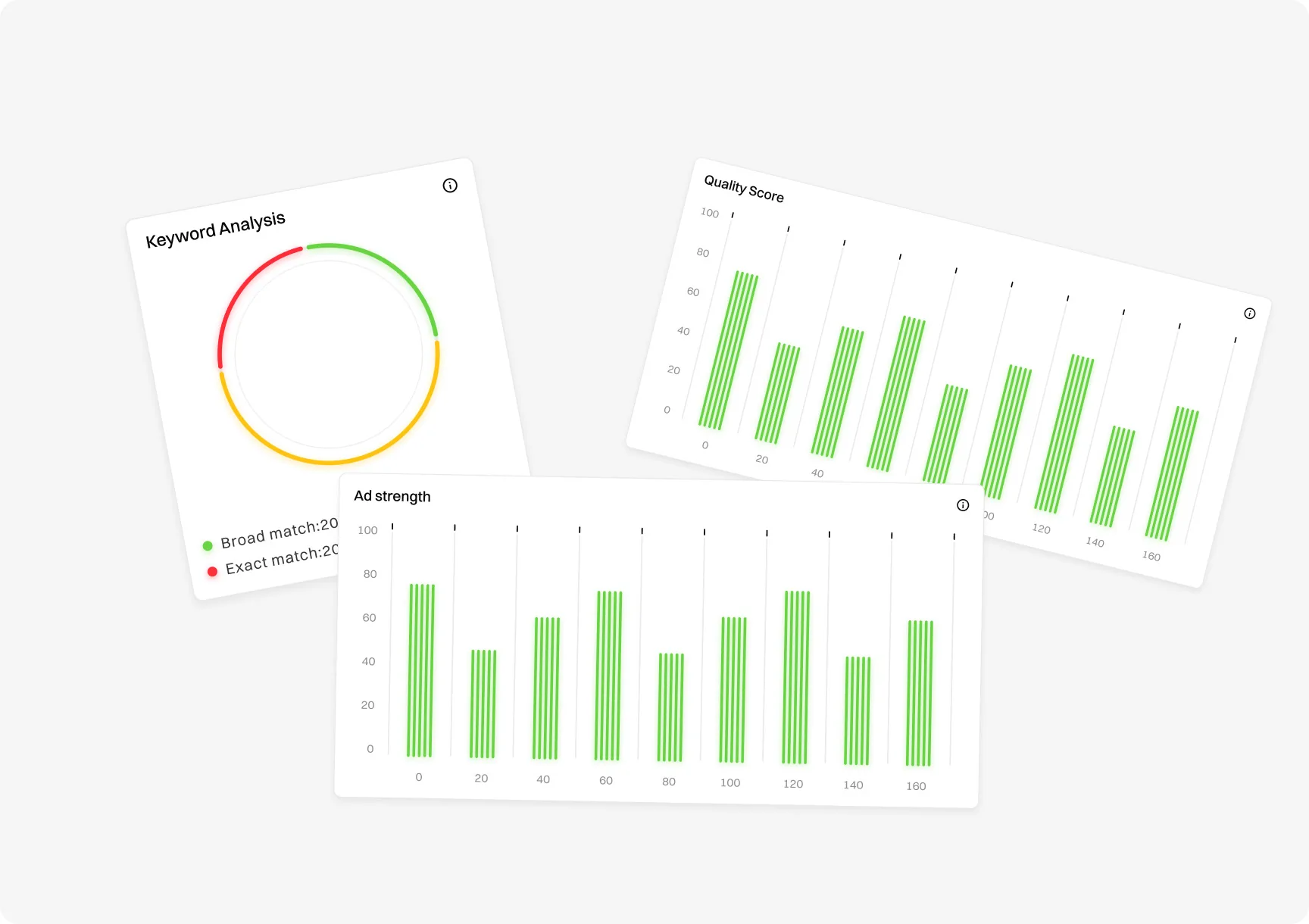
Rounded Corners and Soft Shadows: The SaaS Aesthetic That Refuses to Die
Soft UI, all gentle shadows and friendly rounded corners, is still everywhere in 2026. Not because it is daring, but because it works, and there is no prize for being edgy at the cost of trust.
Why Soft UI Keeps Winning
- It makes genuinely complex platforms feel less intimidating, which lowers the panic of a new user's first login
- It reads as premium without screaming for attention, the design equivalent of a quiet, well-cut jacket
- Users are already fluent in it, and there is rarely a good reason to make people relearn how your buttons behave
Could you reinvent the wheel here? Sure. Will your users thank you for a square, shadowless interface that feels like a tax form? They will not.
Bento Grids: Organized Chaos That Somehow Works
Borrowed from Japanese lunch boxes, bento grids are everywhere in SaaS UI design this year. The idea is simple: break the screen into tidy, modular boxes, each holding one clear piece of information. It looks playful, but the real win is comprehension. Users scan a bento layout faster because every box has one job.
Why Bento Grids Suit SaaS
- They let you show a lot of information without it feeling like a spreadsheet wearing a costume
- Each module can be reordered or hidden, which plays nicely with customizable dashboards
- They scale down to mobile far more gracefully than a dense, traditional grid
The catch, and there is always a catch, is restraint. A bento grid with twenty boxes is not organized, it is a vending machine. Pick the handful of things that matter and let them breathe.
Personalization and AI-Assisted Interfaces
The biggest shift in SaaS UI design in 2026 is not a color or a corner radius. It is interfaces that quietly adapt to the person using them. Surfacing the features a user actually touches, hiding the ones they never open, suggesting the next likely action. Done well, it feels like the product is paying attention. Done badly, it feels like the product is guessing, loudly.
Where AI Helps and Where It Annoys
- Helpful: smart defaults, predictive search, and onboarding that adapts to what the user already understands
- Annoying: a chatbot that pops up before you have read a single sentence, asking how it can help when you have not asked for anything
The rule is the same as it has always been. Personalization should reduce effort, not perform intelligence for its own sake. If your AI feature exists mainly so you can say "AI" on the homepage, users will feel it.
Accessibility Stops Being Optional
For years accessibility was the thing teams promised to "get to later." In 2026 it is moving to the front, partly out of decency and partly because accessible design is simply better design for everyone. Good contrast, clear focus states, keyboard navigation, and readable type help the user with a screen reader and the user squinting at a laptop in bright sun alike.
It is also quietly a business advantage. Accessible products reach more people, rank better, and dodge the legal headaches that catch sloppy competitors off guard. Treating accessibility as part of SaaS UI design rather than a compliance chore is one of those choices that pays off in directions you did not expect.
The Trend to Actually Ignore
Every year brings a trend that looks incredible in a dribbble shot and falls apart the second a real human uses it. In 2026 it is the overloaded, animation-everywhere interface, where every click triggers a little performance. It demos beautifully. Then your power user, who opens the app forty times a day, starts to feel like they are wading through syrup. Delight on the first visit becomes friction by the hundredth. Motion should guide attention, not audition for an award.
Which Trends Should You Actually Prioritize?
If you cannot chase everything at once, and you cannot, here is the honest order of priority for most SaaS products. Start with the things that affect whether people understand and trust your product, then move to the things that make it feel polished.
- First, clarity: minimalism done properly and clean data visualization, because confusion is what loses users
- Second, comfort: dark mode and accessible contrast, because these quietly serve your heaviest users every day
- Third, polish: soft UI, bento layouts, and tasteful motion, the finishing touches that signal quality once the fundamentals are solid
Treat that as a sequence, not a menu. A product with flawless bento grids and no clear user journey is a beautifully organized way to lose customers. Nail the foundation of your SaaS UI design first, then layer the fashionable parts on top where they actually help.
Final Thoughts: Trends Are Fun, Conversions Pay the Bills
Here is the uncomfortable truth no trend list wants to admit. Following every trend will not save a product that is confusing to use. A gorgeous interface wrapped around a broken experience is just a well-dressed problem.
What actually moves the numbers is less glamorous:
- Clear user journeys, where the next step is always obvious
- Obvious CTAs (Call to Actions), the buttons that tell users exactly what happens next
- Fast loading speeds, because no amount of soft shadow survives a three-second wait
- An interface that looks like you cared, because that quiet signal of quality is what builds trust
Treat trends as ingredients, not the recipe. The best SaaS UI design in 2026 is the one your users barely notice, because everything just works and nothing gets in their way. If your product is overdue for that kind of clarity, that is exactly the problem we like to solve.