The Website Development Mistakes That Quietly Kill SaaS Growth
Most SaaS websites do not fail dramatically. They fail quietly, leaking trial signups through a handful of avoidable website development mistakes that everyone makes and almost nobody audits. Here are the five that cost the most, why each one bleeds revenue, and the fix for each. None of them require a redesign. All of them require honesty.
1. Ignoring User Research ("We Know What Our Users Want")
Why It Is a Problem
Founders often assume they understand their audience better than anyone. You built the product, so surely you know best, right? Unfortunately, that confidence quietly produces a site designed for you instead of for your potential customers. User research means gathering real feedback, running usability tests, and watching how people actually behave on your site, rather than how you imagine they will.
The Fix
- Run usability testing with real people from your target audience
- Build user personas, simple fictional profiles of your typical customers
- Use heatmaps and session recordings to see where attention actually goes
- Trust data over gut, especially when the two disagree
2. Treating the Website as a Brochure, Not a Sales Funnel
Why It Is a Problem
Your SaaS website is not a branding exercise, it is a sales tool. Yet too many startups build sites that look lovely and convert nobody. A website should move visitors from curiosity to action quickly, with every section nudging them toward signing up rather than just admiring the color palette. A beautiful site that does not convert is an expensive portfolio piece.
The Fix
- Lead with strong headlines that state your value proposition in plain words
- Use clear CTAs like "Start Free Trial" or "Book a Demo," not vague "Learn More" buttons
- Map each page to a single next step you want the visitor to take
- Remove anything that does not move someone closer to converting
3. Burying the CTA (Hope Your Users Brought Shovels)
Why It Is a Problem
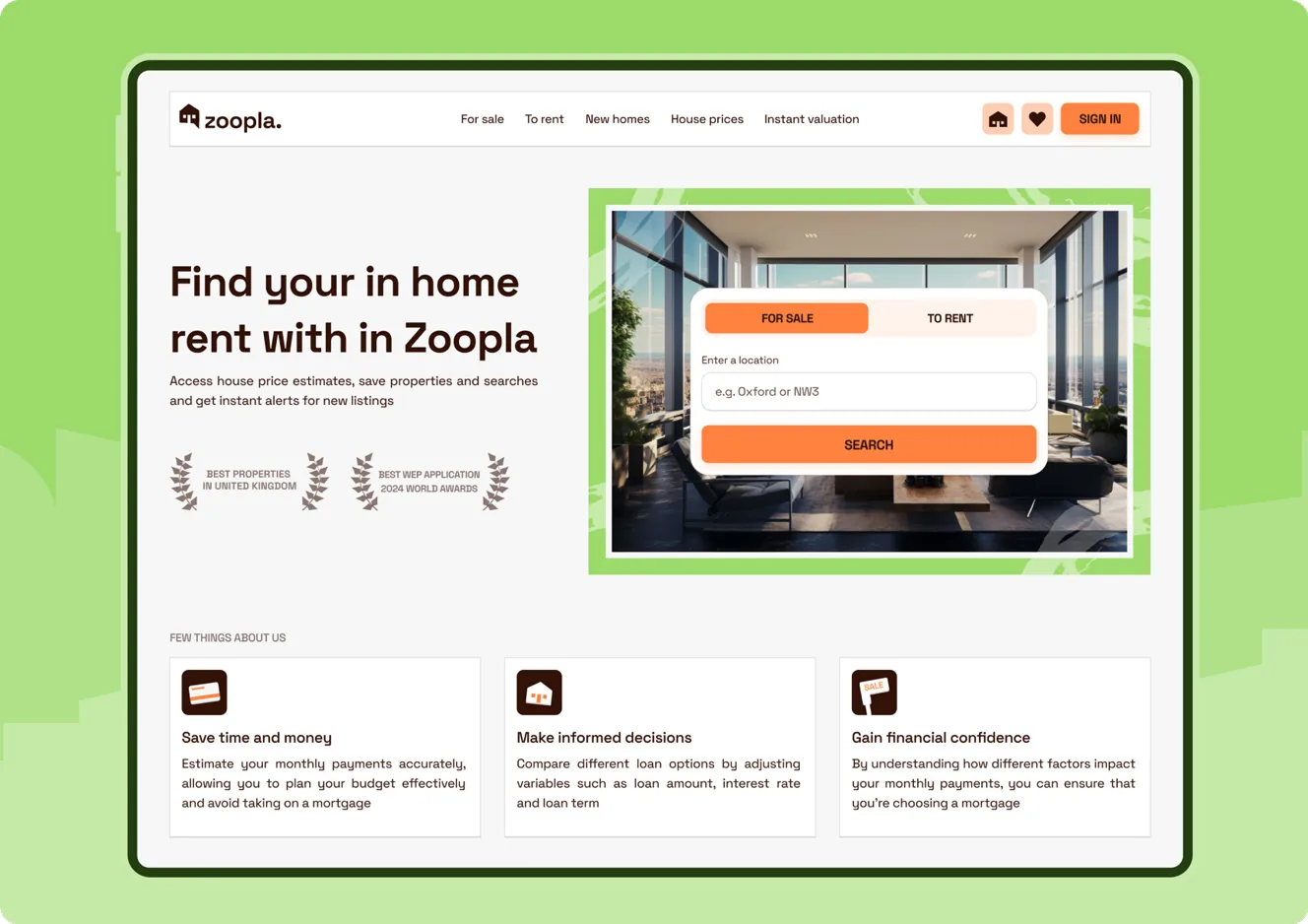
You would be amazed how many SaaS sites hide their call to action, or drown it among five competing buttons. If a visitor has to hunt for the way to sign up, many simply will not. Every extra second of searching is a small invitation to leave, and plenty of people accept it.
The Fix
- Choose one primary CTA per page and make it visually obvious
- Place it above the fold, where people see it without scrolling
- Repeat it at natural decision points down the page
- Resist the urge to offer six choices, since more options usually means fewer actions
4. Underestimating Mobile Users ("Our Clients Are Desktop People")
Why It Is a Problem
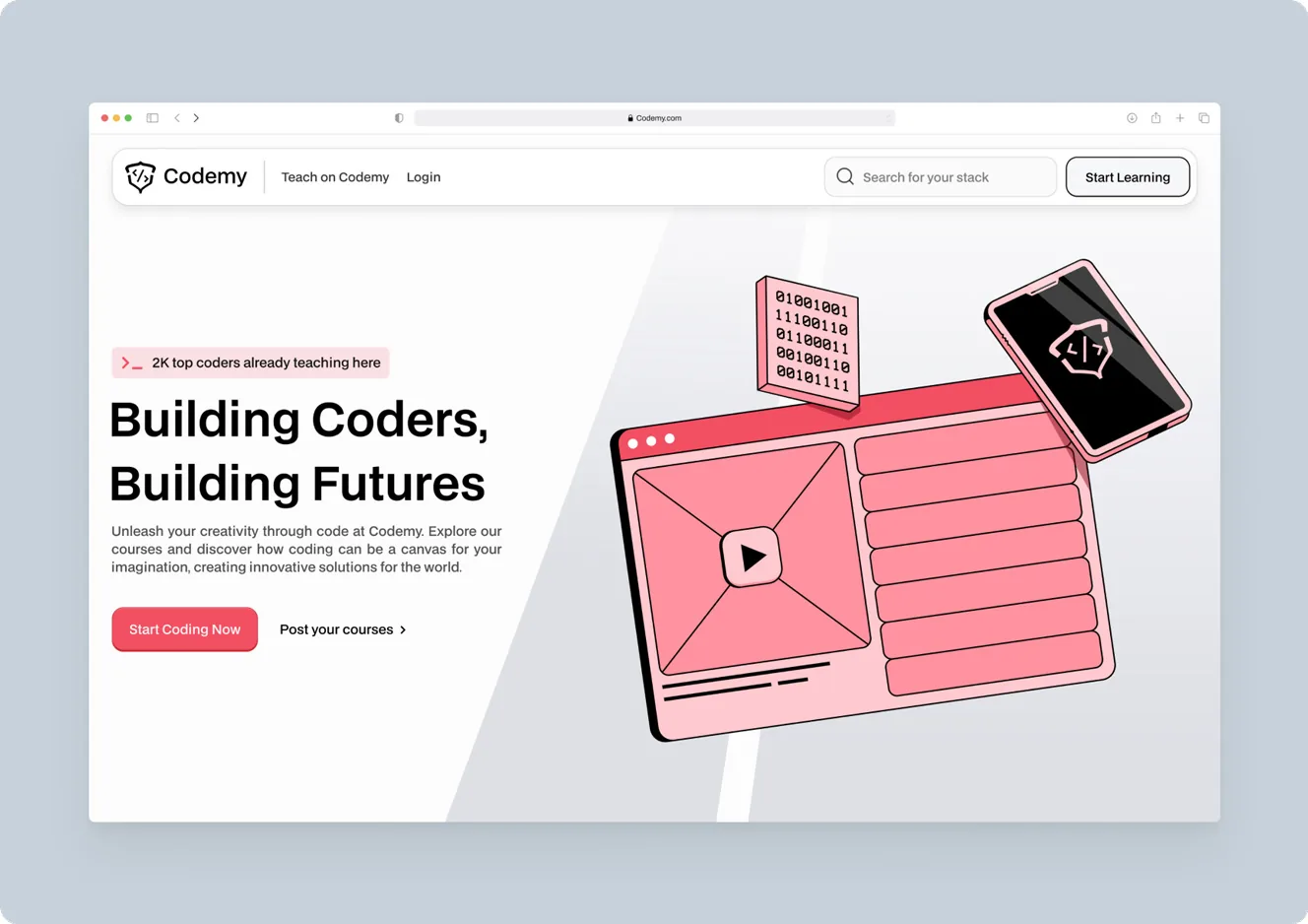
A large share of traffic, often the majority, arrives on mobile, yet many founders test only on a desktop the size of a small television. The result is tiny fonts, awkward scrolling, and broken layouts that quietly tell visitors you do not sweat the details. On a phone, that impression forms in seconds.
The Fix
- Design mobile-first, then treat the desktop version as the generous upgrade
- Test on real devices, not just a resized browser window
- Size buttons and text for thumbs and small screens
- Check forms specifically, since they are where mobile experiences most often fall apart

5. Overloading Features (People Buy Solutions, Not Checklists)
Why It Is a Problem
Founders are proud of everything they built, so they list all of it. But a wall of features overwhelms visitors who came to solve one specific problem. People do not buy a checklist, they buy an outcome, and a feature dump buries the outcome under specifications nobody asked for yet.
The Fix
- Lead with the benefit, then support it with the feature that delivers it
- Frame everything in terms of the problem it solves for the user
- Save the exhaustive feature list for a dedicated page, not the homepage
- Remember that clarity sells, and completeness mostly confuses
6. Shipping Without Analytics or Feedback Loops
Why It Is a Problem
Plenty of SaaS sites launch with no real way to measure what happens next. No funnel tracking, no event analytics, no mechanism to learn why visitors leave. Flying blind like this turns every future decision into a guess, and guesses are how website development mistakes quietly repeat themselves forever. You cannot fix what you never measured.
The Fix
- Set up analytics and conversion tracking before launch, not as an afterthought
- Track the full funnel, from landing to signup, so you can see exactly where people drop
- Add lightweight feedback prompts to learn why visitors hesitate
- Review the data on a schedule, then actually act on what it tells you
How to Audit Your Own Site for These Mistakes
You do not need an agency to spot most of these problems, just an honest hour. Open your site on your phone first, not your desktop, and try to complete the main action as a stranger would. Time how long it takes to understand what you do and find the way to sign up. If either takes more than a few seconds, you have found a problem.
Then look at the homepage and count the calls to action. If there is more than one competing primary button, that is a fix waiting to happen. Check whether your copy leads with benefits or buries them under a feature list. Pull up your analytics, if you have them, and find the page where most visitors leave. That exit point is usually where one of these website development mistakes is hiding. The audit is simple. The discipline to act on what it reveals is the hard part, and the part that actually moves your numbers.
The Mistake Beneath the Mistakes
If there is a single thread running through these website development mistakes, it is this: building for yourself instead of for the visitor. Each one comes from an understandable place, pride in the product, confidence in your instincts, a desire to show everything you made. And each one quietly costs you the exact conversions the site exists to capture. The cure is not talent or budget. It is the discipline to keep asking what the visitor actually needs at each step.
Final Thoughts: Your SaaS Website Is a Sales Tool
Treat your website like the salesperson it is, one that works every hour of every day and never takes a break. That means designing around real user behavior, guiding visitors toward a single clear action, respecting mobile, and selling outcomes rather than reciting features. Fix these website development mistakes and you are not just tidying the site, you are unclogging the funnel that feeds your entire business.