

What Does Branding Do for Startups?
Founders usually hit this question around three months after launching. The MVP is shipped, the first 200 users have churned, and investors are politely ignoring your emails. Suddenly you find yourself Googling "what does branding do" at 2 a.m., hoping it will explain why your SaaS feels invisible. The answer is both obvious and brutal: branding tells people who you are, why you exist, and whether you look credible enough to survive the next downturn.
From my own experience as a UX/UI designer and co-founder of an outsourcing agency, the question always seems to come too late. Clients call us after burning money on code while leaving their brand identity in the same state as their GitHub issues, messy, inconsistent, and unreadable. Branding is not decoration, it is the manual that shows people how to interpret your product. Without it, your SaaS looks like a side project powered by too much caffeine and not enough research.
The First Purpose: Branding as a Shortcut to Trust
Let us break it down without jargon. Trust is the first thing your SaaS needs. Trust gets you signups, investors, and even a second chance after your server falls over during demo day. Branding manufactures that trust by creating consistency. Consistency means your landing page does not look like it was designed by five interns on different monitors. It means your pitch deck speaks the same visual language as your app. And yes, it means your brand feels like it belongs in this decade rather than the last one.
Think about it: would you put your credit card into a website that looks like an abandoned blog from the early internet? Probably not. Investors feel the same way. When they wonder what your branding is doing, the honest answer is that it convinces them you are not a risk. And in the startup world, the perception of risk is often more decisive than the actual product.
What Branding Actually Does in Practice (Besides Making Logos Look Fancy)
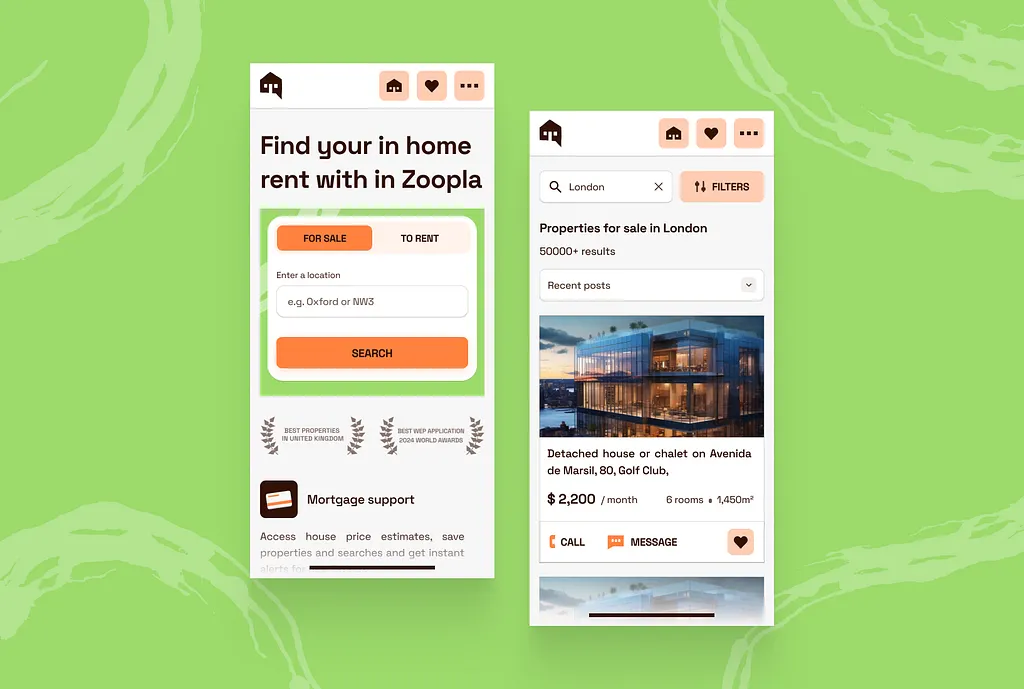
Now let us get practical. Once you have invested your startup's precious runway into it, branding is not just slapping a gradient on your logo and calling it a day. It works like a quiet, ethical kind of persuasion, half psychology, half craft. Here are the real jobs your brand performs while you are busy debugging the product.
1. It Builds Trust Before You Say a Word
Investors, customers, and potential hires all check you out online before any handshake. Branding acts like a polished profile picture, convincing strangers that you are serious, credible, and probably do know what "API integration" means. Without it, you are just another random domain shouting into the void, indistinguishable from a thousand others.
2. It Gives You Pricing Power (the Apple Effect)
Here is a fun truth: nobody actually needs another project management tool, yet people will pay more for one if the brand looks like it belongs in a tech headline. Strong branding legitimizes your pricing. Without it, your SaaS feels like a cheap knockoff. With it, your $49 a month subscription suddenly "feels like a steal," and that perception is worth real revenue.
3. It Turns Employees Into Evangelists
Branding gives your internal team a story to believe in, because "we push commits" is not exactly a rallying cry. It works like a culture, in the good sense, making people feel part of something bigger than closing tickets at 2 a.m. That sense of belonging is quietly one of your best retention tools, and retention is cheaper than recruiting.
4. It Is Your Shortcut to Customer Loyalty
Customer loyalty is not logical, it is emotional. Branding creates familiarity, familiarity turns into trust, and trust leads to slightly irrational decisions, like sticking with your app even when a competitor ships a shinier feature. In other words, good branding keeps churn from eating your recurring revenue alive.
So What Does Branding Do for Your Startup's Survival?
At this point you might be wondering what branding does that actually moves your bottom line. Setting the wit aside for a moment, let us be brutally clear about the business case.
1. It Saves You From Explaining Yourself Every Single Time
Without branding, every pitch feels like Groundhog Day, re-explaining your product, your purpose, and your difference from scratch. Branding bakes your story into a recognizable package, so investors and users "get it" before you have finished your first sentence. That alone saves you an enormous amount of time and frustration.
2. It Creates Long-Term Value Beyond the Codebase
Let us face it, your app's code will be outdated faster than your favorite JavaScript framework. Branding makes the company itself the asset, the thing investors, acquirers, and customers actually care about. That attractive equity multiple every founder dreams of? Branding plays a starring role in earning it.
3. It Translates Into Real ROI
You do not pay for branding just to look nice in pitch decks. You pay because it directly affects acquisition cost, conversion rates, retention, and ultimately valuation. Branding behaves like compound interest: the earlier you invest, the more powerful it becomes over time. Ignore it, and you will always be running faster just to stay visible.
When Should a Startup Invest in Branding?
The honest answer is earlier than feels comfortable, but smarter than going all-in on day one. You do not need a six-figure identity project before you have a product. What you do need, from the start, is consistency: one name, one logo, one color palette, one voice, used the same way everywhere. That baseline costs almost nothing and immediately makes you look more credible than the competitors winging it with five different shades of blue across their site, deck, and app.
The deeper investment, the strategic positioning, the considered visual system, the messaging that actually differentiates you, makes the most sense once you have early signs of product-market fit and are about to scale acquisition. That is the moment branding stops being a nice-to-have and starts directly affecting how much each new customer costs you. Pouring money into a polished brand before you know who your customer is just means paying to repackage the wrong message. Get the basics right immediately, then invest seriously when you are ready to grow. The mistake to avoid is the opposite of both: ignoring branding entirely until a competitor with a sharper identity eats your lunch, then scrambling for a rushed redesign under pressure. Treating branding as a steady, staged investment rather than a one-time emergency expense is what keeps you looking credible at every single stage instead of just expensive at one.
Branding Is the Startup Cheat Code You Pretend You Don't Need
Most founders treat branding as a luxury until they realize it is the one thing standing between them and obscurity. In short, branding keeps you alive long enough to figure out the rest. So if you are still wondering whether it is "worth it," here is the harsh truth: your competitors already made the investment. They are the ones getting remembered, funded, and chosen, while you are still A/B testing your landing page headline.


_11zon_3i6yt30bmd5jrv06.webp)
